Follow fieldwork, research meetings, capacity-building activities and study outputs in reverse chronological order.
Latest first
News from the study
This page provides an evolving record of CLIMATCH activities. New field updates, seminars, workshops, meetings and publications can be added at the top as the study progresses.
Publication
Mapping healthcare service utilisation for diabetes and hypertension in Tanzania mainland
A published Bayesian spatial modelling analysis identifies geographical and socioeconomic patterns in healthcare service utilisation. The findings highlight literacy, communication access and household structure as important drivers of service use for diabetes and hypertension.
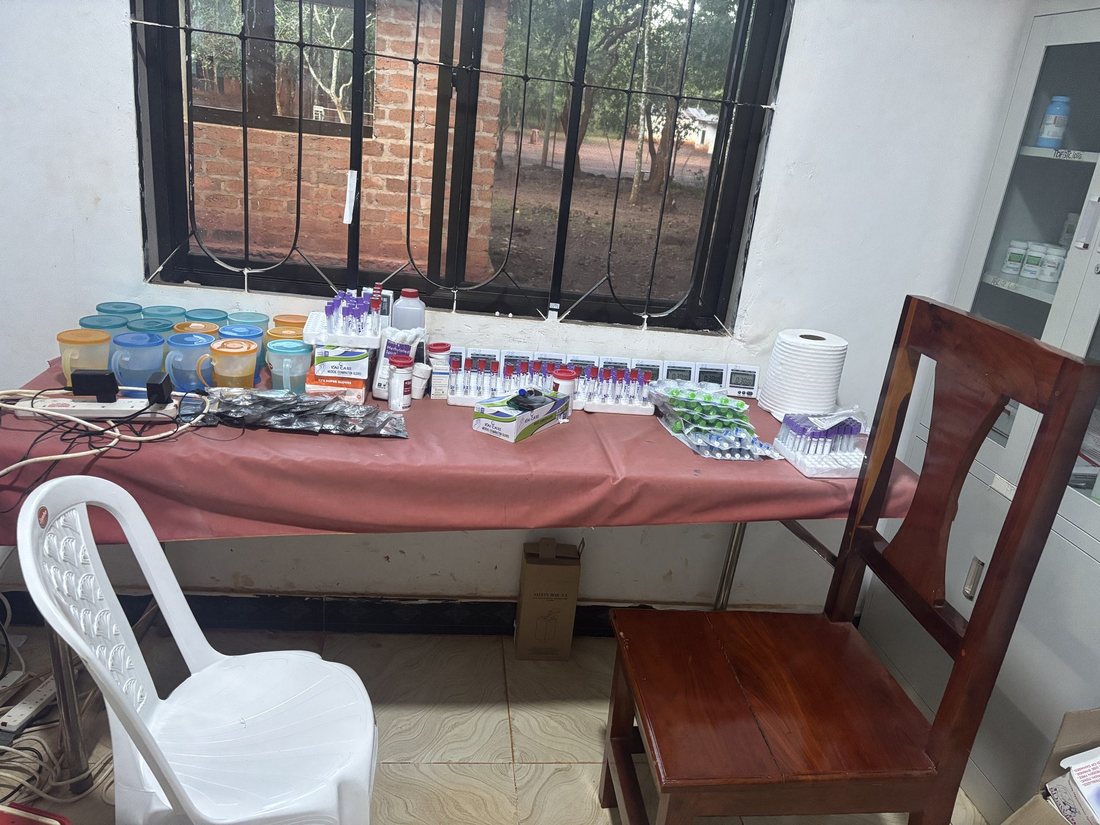
CLIMATCH field teams are collecting health, household and environmental information for the comparative cross-sectional survey. The study includes adults aged 18 years and above across eight drought-prone and non-drought-prone districts.
The work supports analysis of hypertension, diabetes, kidney disease, chronic lung disease, mental health, migration and food insecurity in contrasting climate settings.
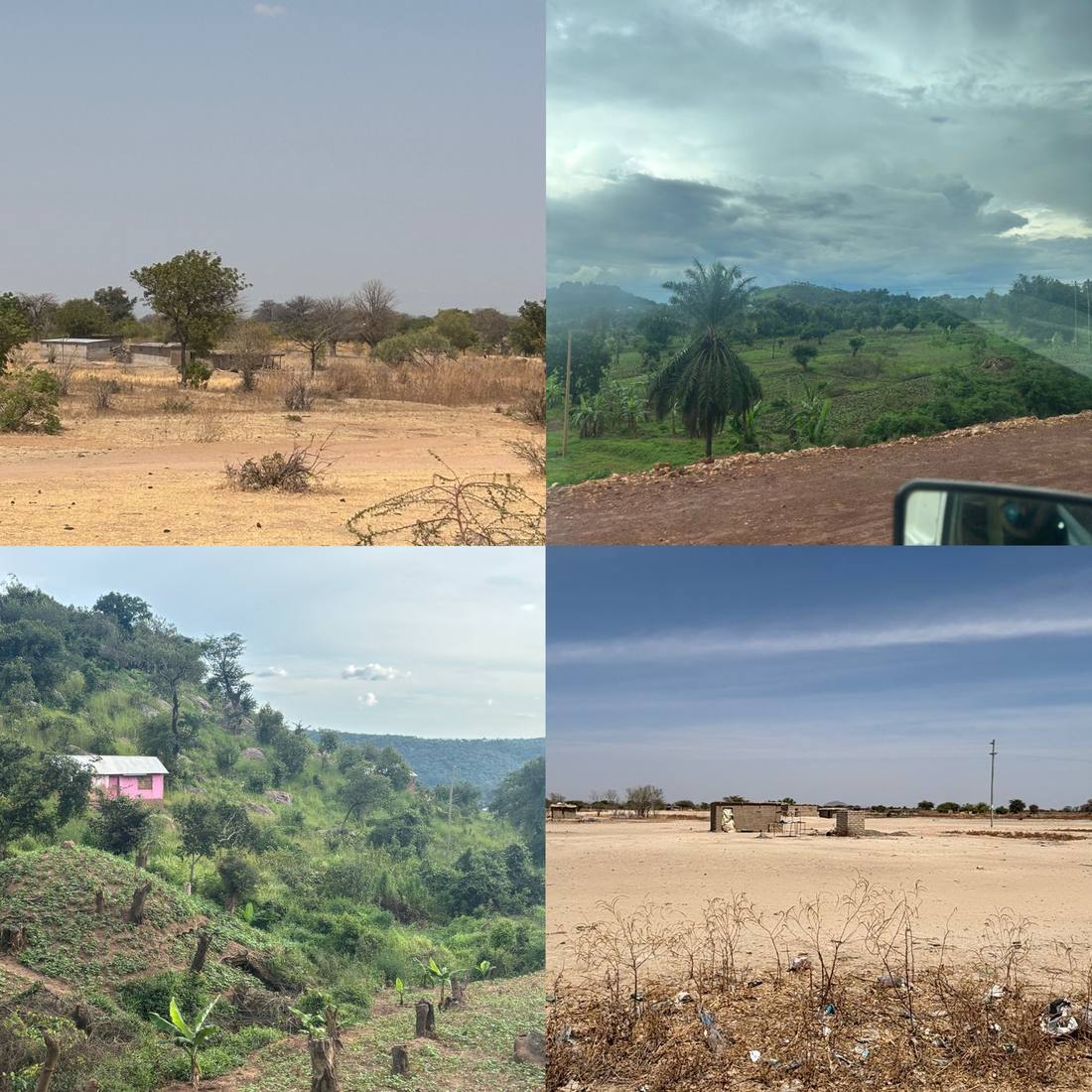
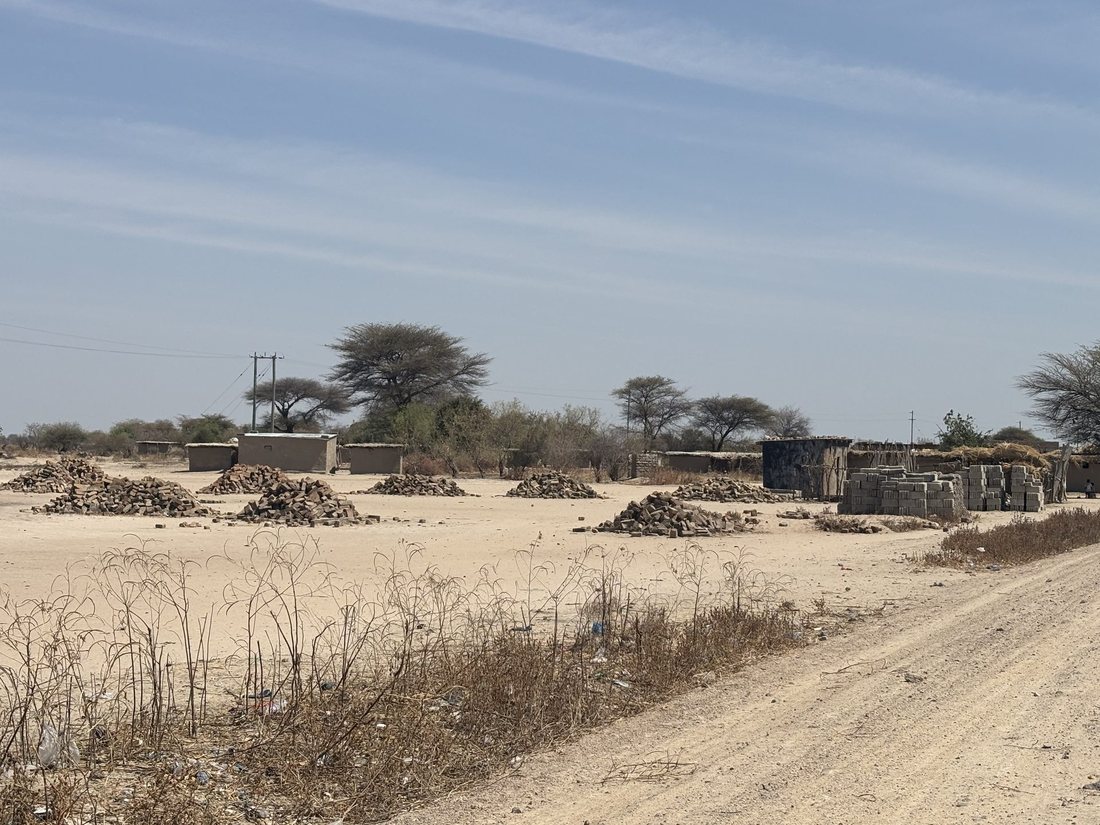
Comparative visits across contrasting climate settings
Field visits document the environmental and livelihood conditions surrounding participating communities. Comparing drought-prone and non-drought-prone districts helps the study investigate how climate exposure, migration and food security relate to long-term health.
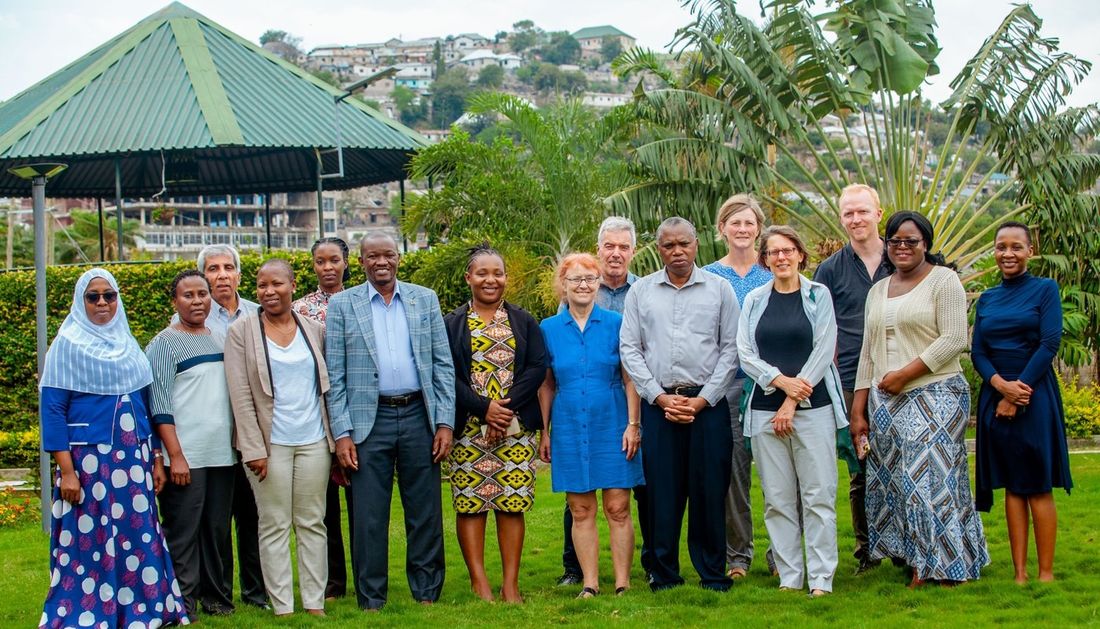
Investigators and institutional partners came together at the start of the 2023–2028 study programme to align the research components, field implementation and capacity-building priorities.
The collaboration brings together expertise in epidemiology, public health, spatial modelling, climate science and non-communicable diseases.
Three PhD researchers registered at the Catholic University of Health and Allied Sciences are developing expertise in spatial modelling, public health and epidemiology through work linked to the CLIMATCH programme.