CLIMATCH study uses a mixed-methods approach, combining ecological analyses, a comparative cross-sectional survey, and qualitative research. Drought is used as a proxy for climate stress throughout the study.
Study Area Classification
Study area classification
How districts were classified
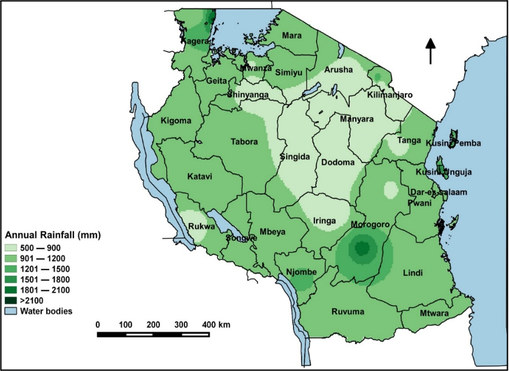
Study districts were selected based on long-term annual rainfall patterns using historical data (1991–2020) from the Tanzania Meteorological Authority (TMA). Districts in regions with consistently low annual rainfall are classified as drought-prone, while those in high-rainfall regions are classified as non-drought-prone.
Non-drought-prone districts
Kibondo
Uvinza
Biharamulo
Nkasi
Drought-prone districts
Same
Chamwino
Bahi
Meatu
Distribution of annual rainfall in Tanzania from 1991 to 2020
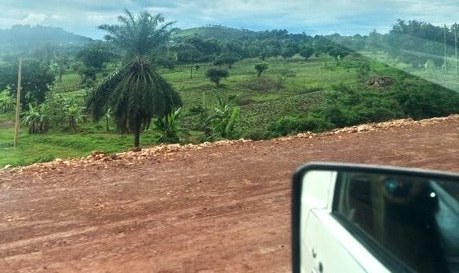
Non-drought-prone study site
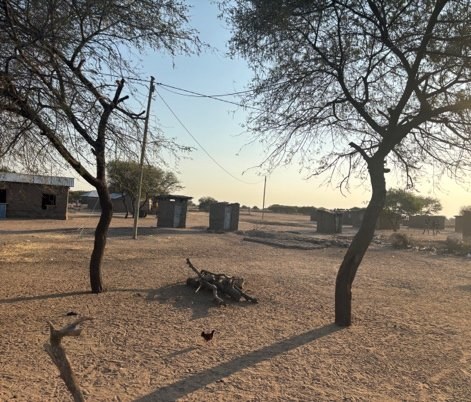
Drought-prone study site
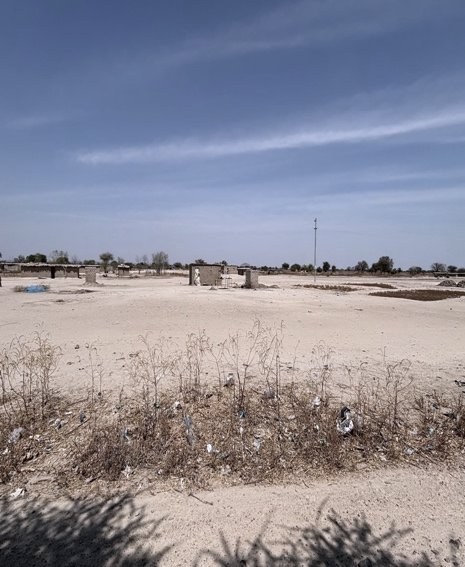
Drought-prone study site
Recruitment
Participant recruitment
A multistage sampling strategy was used to ensure representative coverage of both drought-prone and non-drought-prone areas, with equal numbers of participants targeted across the two groups. Community health workers and local leaders assisted with mobilisation and facilitated access to households in each district.
Inclusion criteria
Aged 18 years or older
Resident in the study district for at least one year
Willing and able to give informed consent
Men and women equally eligible
Exclusion criteria
Unable to provide informed consent
Resident for less than one year
Temporary or seasonal visitors
Study Design
Three study components
1
Component 1
Ecological Study
Spatio-temporal models linking district-level drought patterns to hospital NCD morbidity data over time.
2
Component 2
Cross-Sectional Survey
3,000 adults aged ≥18 in 8 districts, comparing NCD prevalence and food insecurity by drought exposure.
3
Component 3
Qualitative Research
Interviews and focus groups with communities, health workers, and policymakers on climate-health perceptions and adaptation.
Ethics
Ethics
The ethics approval has been obtained from the National Institute for Medical Research in Tanzania with Ref. NIMR/HQ/R.8a/Vol. IX/4591 and the London School of Hygiene and Tropical Medicine in the UK.