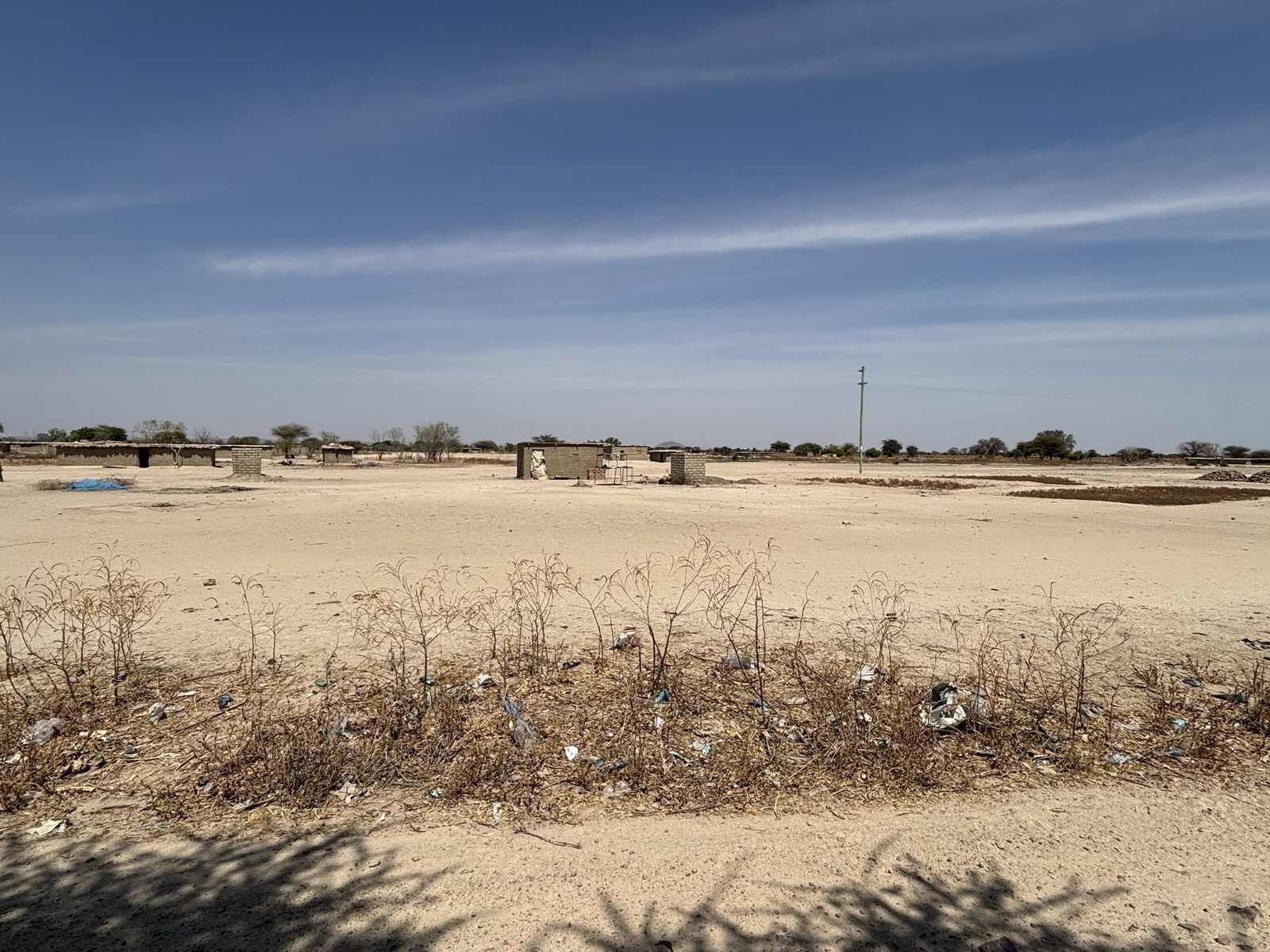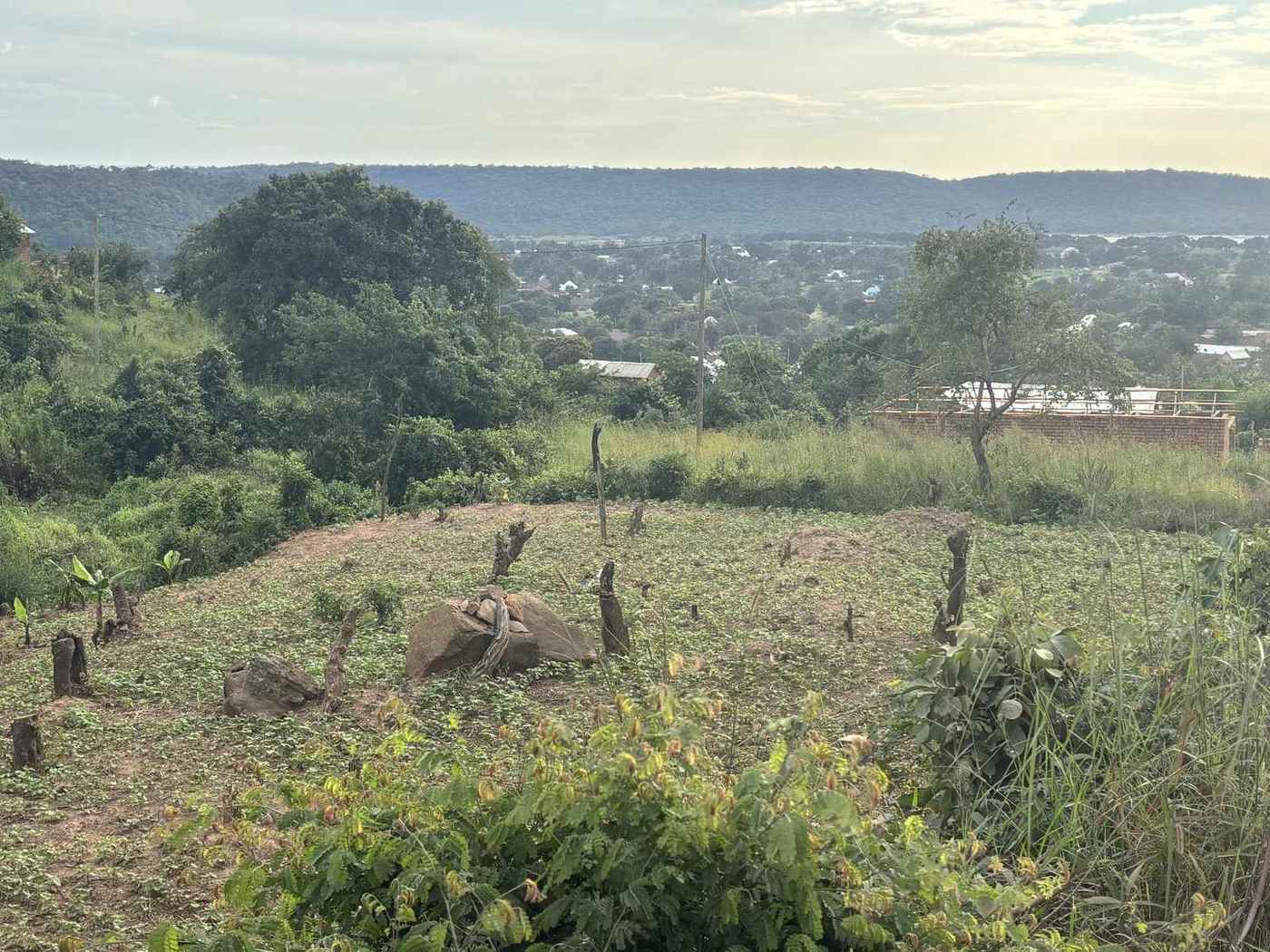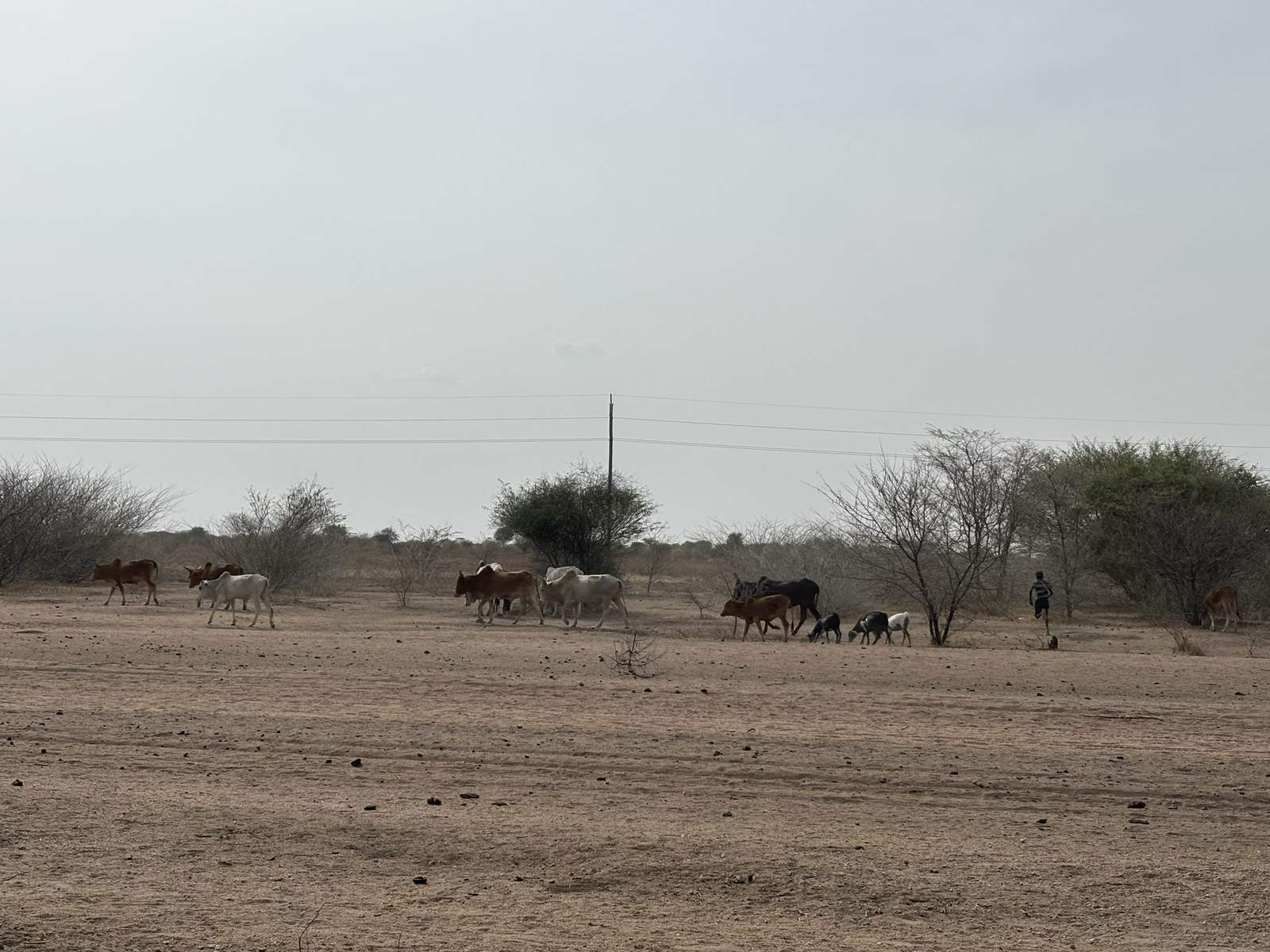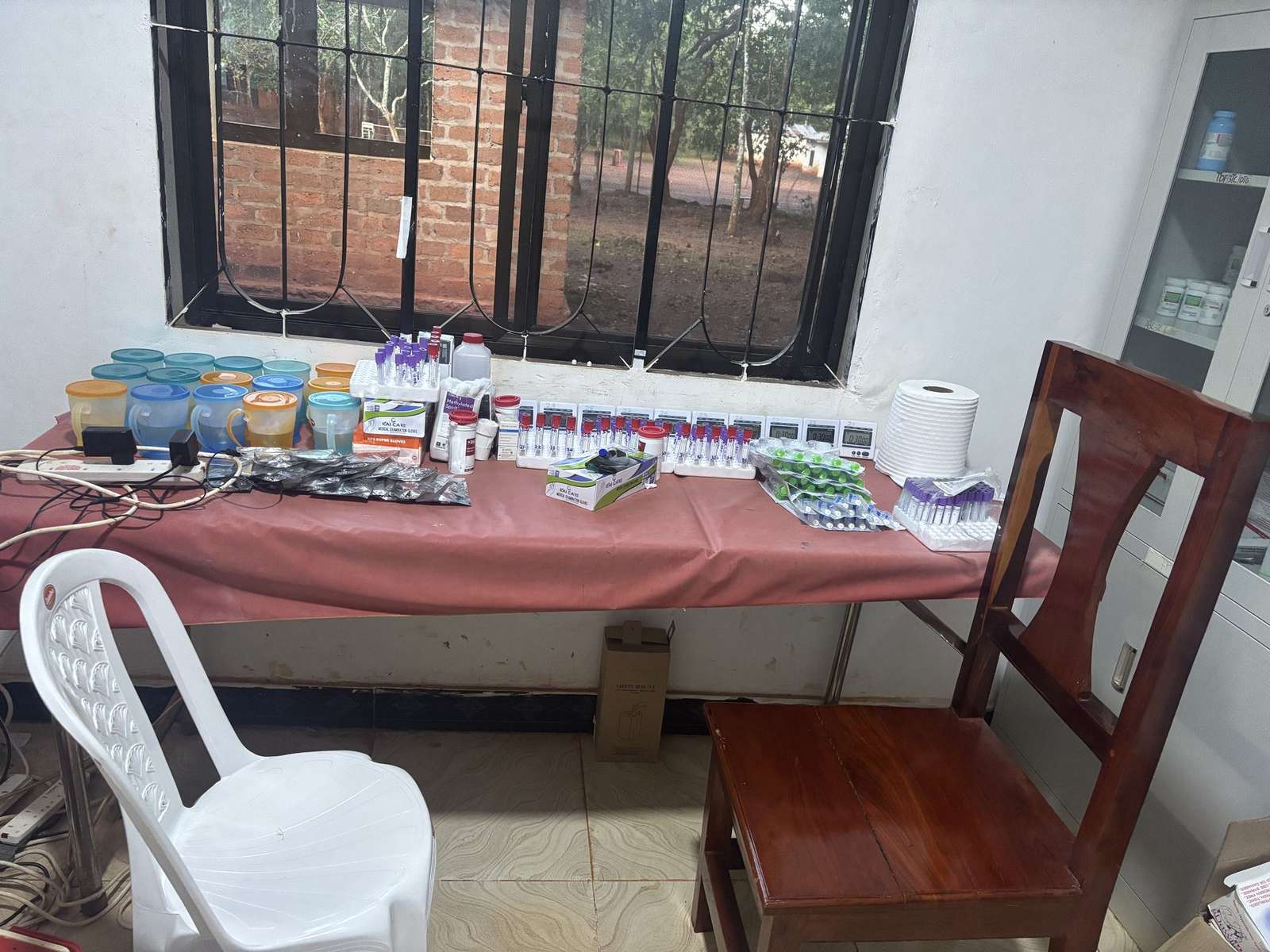
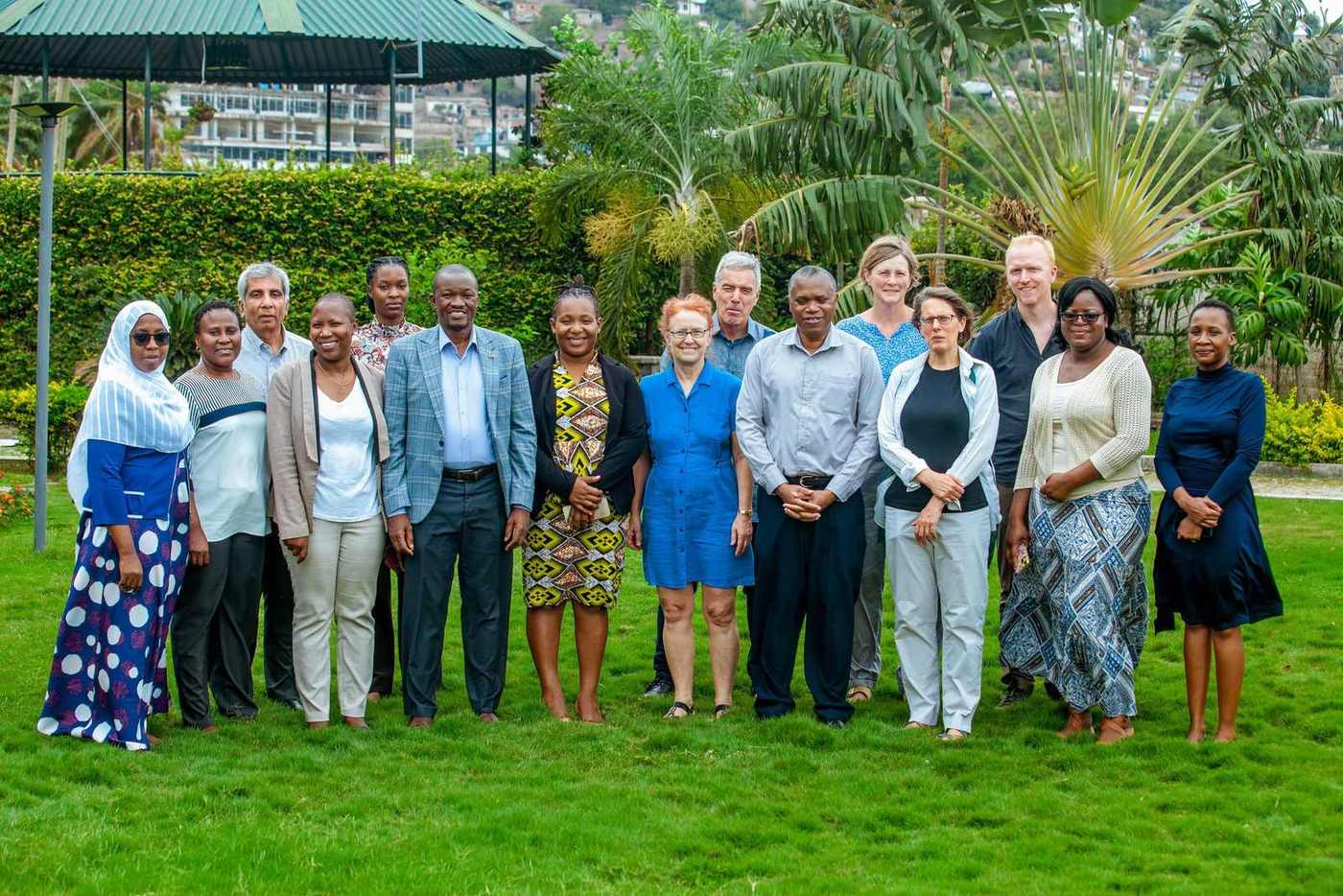
Climate change is reshaping the burden of NCDs in Tanzania.
A mixed-methods research collaboration studying how drought and migration relate to non-communicable disease among women and men — 2023–2028.
A mixed-methods research collaboration studying how drought and migration relate to non-communicable disease among women and men — 2023–2028.
CLIMATCH is a research study investigating how climate change influences the growing burden of non-communicable diseases (NCDs) in Tanzania. By generating robust, locally relevant evidence, the study aims to better understand the complex relationship between climate and health and to inform policies that strengthen health systems and improve resilience to climate change.
Climate change is one of the greatest threats to global health in the 21st century. Beyond its environmental impacts, it is increasingly affecting the conditions that shape health and well-being. Climate-related challenges such as drought, food insecurity, extreme weather events, and population displacement may increase the risk of developing or worsening NCDs, including hypertension, diabetes, kidney disease, chronic respiratory diseases, and mental health disorders.
Despite these growing concerns, evidence from sub-Saharan Africa remains limited. CLIMATCH is helping to fill this critical knowledge gap by examining how climate change affects NCDs in Tanzania. The findings will support the development of evidence-based national and regional adaptation strategies, contributing to more resilient health systems and healthier communities in the face of a changing climate.
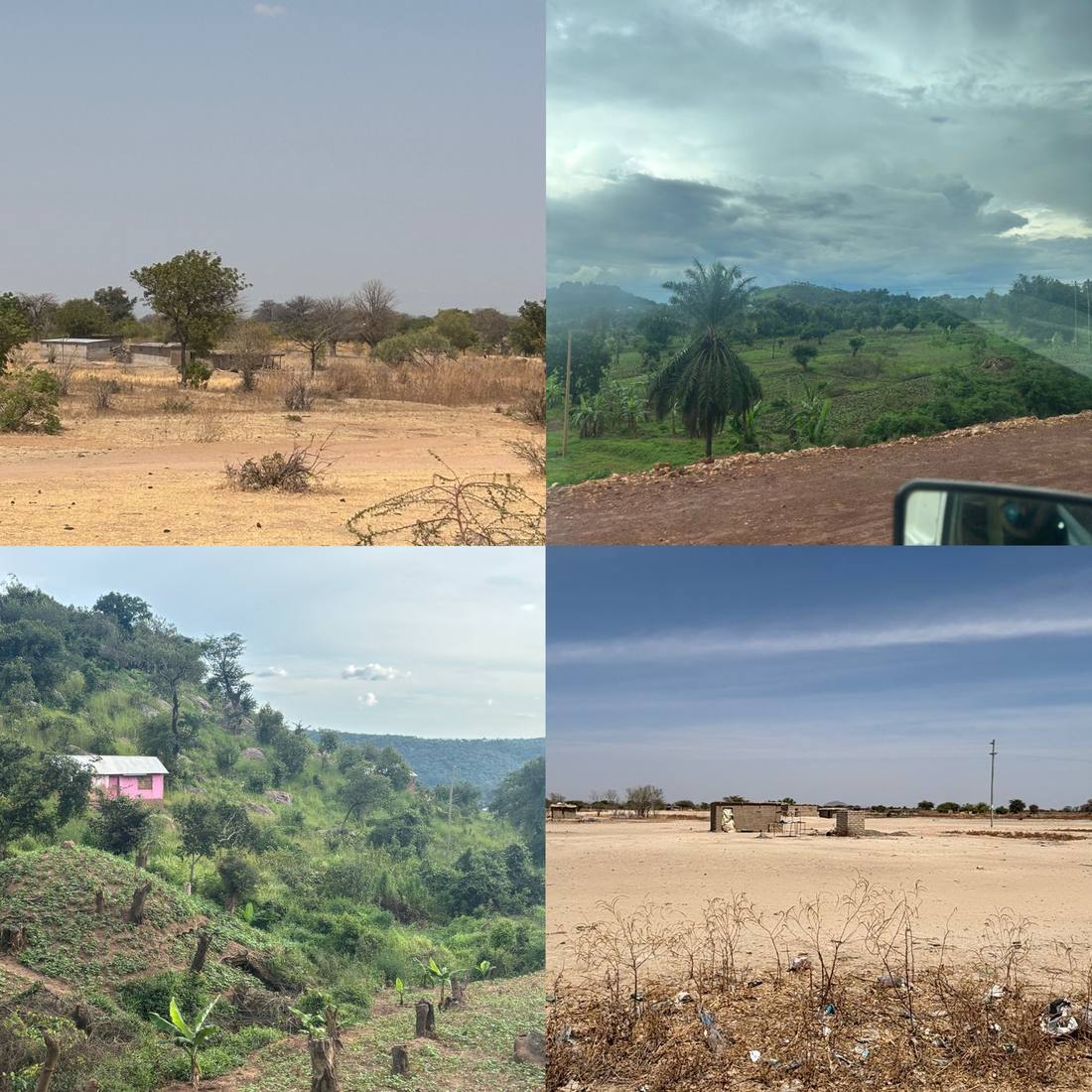
CLIMATCH combines ecological analysis, a large cross-sectional survey, and qualitative research.
Spatio-temporal models linking district-level drought patterns to hospital NCD morbidity data over time.
3,000 adults aged ≥18 in 8 districts, comparing NCD prevalence and food insecurity by drought exposure.
Interviews and focus groups with communities, health workers, and policymakers on climate-health perceptions and adaptation.
To improve the health and well-being of low-income populations by generating information on the links between climate change with NCDs among women and men to help in forming appropriate adaptation policies on NCD prevention and management.
To strengthen the capacity to research climate change and NCD in Tanzania to generate new knowledge on climate change and health to inform the formulation of policies on NCD prevention and management.
To improve the research environment and increase the competitiveness of southern partners, three PhD students have been recruited and registered at the Catholic University of Health and Allied Sciences (CUHAS) to study climate and NCD.
Spatio-temporal patterns of climate change and NCD.
Researching the relationship between drought and hypertension, chronic obstructive pulmonary disease, and chronic kidney disease.
Researching the relationship between drought and diabetes.
Interested in the CLIMATCH study, our findings, or potential collaboration? Reach out to the study team.